Barnet Council rules for bin and rubbish disposal Edgware
Posted on 07/10/2026
If you live in Edgware and you have ever stood by a bin bag wondering, "Can this go out tonight or is this exactly the sort of thing that gets left behind?" you are in the right place. Barnet Council rules for bin and rubbish disposal Edgware can feel straightforward one minute and oddly specific the next, especially when you are dealing with mixed waste, extra bags, garden cuttings, or an item that is too big for the wheelie bin. To be fair, most people only want a simple answer and a clear way to avoid missed collections, fly-tipping worries, or that familiar curb-side shuffle in the morning.
This guide breaks down the practical side of bin disposal in Edgware, how council expectations usually work, what to do with different waste types, and where people commonly slip up. You will also find a checklist, a comparison table, and a realistic example from day-to-day life. If you are also dealing with a bigger clear-out, it can help to understand the difference between council-led disposal and local professional services such as rubbish collection in Edgware or waste removal services, because not every item belongs in the same stream.
Why Barnet Council rules for bin and rubbish disposal Edgware Matters
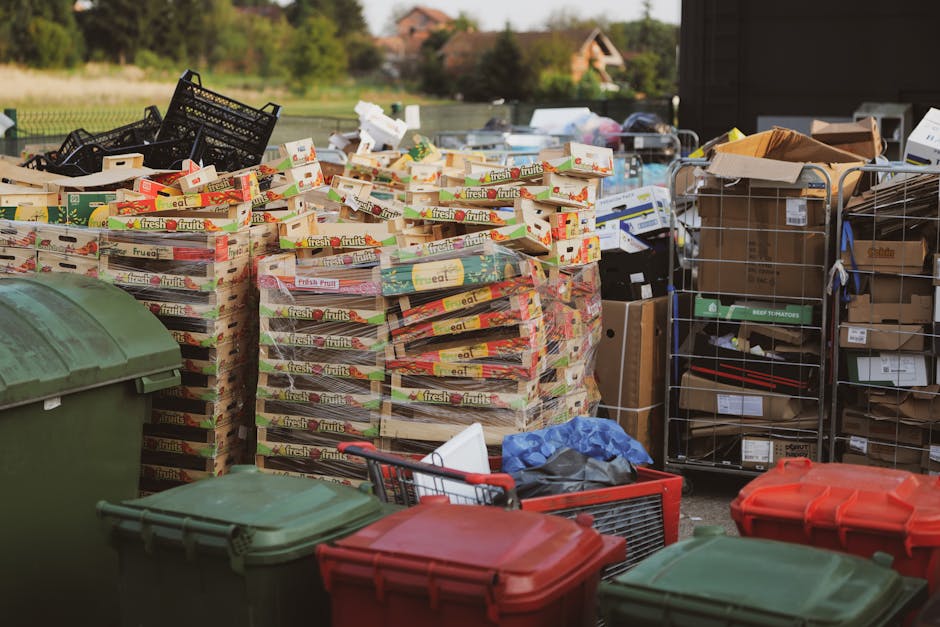
Bin rules matter more than people think. In a busy part of northwest London like Edgware, waste builds up fast: packaging from online orders, broken household items, garden cuttings after a wet weekend, food waste after a family gathering, and the random "where did this even come from?" pile that appears in the utility room. The council's collection system exists to keep streets clear, reduce pests, support recycling, and stop rubbish from being dumped in the wrong place.
When waste is sorted badly, a few things can happen. A bin may be left unemptied, recyclable material may be missed, and bulky waste may end up becoming a neighbour complaint. Nobody wants bags sitting out in the rain, leaking onto the pavement by Monday morning. It's messy, and it draws attention. Not the good kind.
For Edgware households, landlords, shared homes, and small businesses, following Barnet Council rules is really about staying in step with how local waste services operate. If you know the basics, you save time, reduce stress, and avoid avoidable clear-up costs. You also make life easier for collection crews, which is not a small thing. They can only do so much with mixed or overfilled bins.
Practical takeaway: the best waste plan is the one that keeps recyclable items separate, avoids overfilling bins, and gives bulky items a proper route before they become a problem on the pavement.
How Barnet Council rules for bin and rubbish disposal Edgware Works
At a simple level, Barnet Council's waste approach is built around sorting, set-out, and collection timing. In plain English: put the right material in the right container, present it correctly, and only leave it out when it is meant to be collected. That sounds obvious, yet most problems happen in the "nearly right" category.
1. Sorting your waste by type
Most homes need to separate everyday rubbish from recyclables and food waste where these services apply. Mixed waste is where confusion starts. A pizza box with grease stains, for example, may not belong with clean cardboard. A cracked mug is not the same as glass bottles. A black bag full of everything and anything can cause real issues for collection and recycling performance.
2. Using the correct bin or container
Different waste streams are handled differently, and the size or type of container matters. Overfilling is one of the most common reasons collections become awkward. If lids will not close, waste may be left behind. If bags are crammed beside the bin, they may be missed or torn open. A tidy presentation usually works better than a heroic last-minute shove-down with your elbow. We have all seen that move.
3. Setting out bins on the right day and at the right time
Collection schedules are not just bureaucracy; they help keep neighbourhoods predictable. If you put bins out too early, they can get in the way. Too late, and you miss collection. In Edgware, where roads, parking, and shared access can be tight, timing is practical as much as it is formal. A bin left in the wrong spot can become a hassle for pedestrians, delivery drivers, and neighbours alike.
4. Dealing with items that do not fit normal collections
Large household items, renovation debris, and garden waste often need a different route. This is where people get caught out. A mattress, a broken wardrobe, or a pile of branches may not be suitable for standard bin pickup. In those cases, residents often look at council guidance first and then consider a local service if the volume or timing makes council options impractical. If you are dealing with mixed bulky waste, a service like house clearance in Edgware can sometimes be a more efficient route than trying to break everything down yourself.
5. Understanding shared properties and responsibility
In flats or converted homes, waste disposal is rarely as simple as "my bin, my rules." Landlords, managing agents, and tenants may all have some role in keeping the storage area workable. If bins are shared, one household's mistake can affect everyone. Truth be told, that is where the tension often starts: one overstuffed bin and suddenly everyone is blaming everyone else.
Key Benefits and Practical Advantages
Following local bin and rubbish disposal rules is not just about avoiding complaints. There are very real everyday benefits, especially if you live on a busy street or in a property with limited storage space.
- Cleaner frontage: properly presented waste keeps pavements tidier and reduces unsightly clutter.
- Fewer missed collections: correct sorting and set-out makes it less likely your waste is rejected.
- Better recycling outcomes: cleaner recycling loads are easier to process and less likely to be contaminated.
- Less pest attraction: food waste and overflowing bags can attract birds, foxes, and insects.
- Reduced conflict: in shared buildings, clear routines reduce neighbour disputes.
- More efficient clear-outs: you spend less time second-guessing what goes where.
There is also a less obvious benefit: once you get into a sensible system, the house just feels calmer. A clear bin day routine sounds boring, but boring is often excellent when it means fewer surprises.
Who This Is For and When It Makes Sense
This topic matters to a wide group of people in Edgware, not just homeowners. In practice, it is relevant to anyone trying to keep waste under control without creating a bigger problem for themselves or the street.
- Homeowners who want a reliable routine for weekly rubbish and recycling.
- Tenants who need to understand what is expected in rented homes or flats.
- Landlords and letting agents managing multiple occupancy or turnover between tenancies.
- Households clearing out clutter before a move, renovation, or family change.
- Older residents or carers who may need a more straightforward way to handle heavy or bulky waste.
- Small business owners with limited on-site storage and regular packaging waste.
It also makes sense whenever the ordinary system stops being enough. That could be after a loft clear-out, a garden overhaul, a bereavement, or simply a few too many months of "I'll deal with that later." Later has a way of arriving all at once.
Step-by-Step Guidance
Here is a practical way to approach bin and rubbish disposal in Edgware without overcomplicating it.
- Identify the waste type. Start by separating everyday household rubbish, recycling, food waste, garden waste, electrical items, and bulky waste. If it needs repairing, donating, dismantling, or special handling, do that first.
- Check what can be recycled cleanly. Food residue, liquids, and mixed materials can contaminate recycling. A quick rinse or separate container can help. Not perfect, just clean enough to avoid obvious contamination.
- Use the right container. Put waste into the correct bin or sack and avoid forcing the lid closed. If it will not close, that is usually a sign to stop and rethink.
- Present bins properly. Place them where they are expected to be collected, with access kept clear. In narrow streets or shared driveways, that part matters more than people expect.
- Plan for excess waste early. If you know you have more than the bin can handle, do not leave the problem until the night before. Set aside bulky or excess items and arrange the right route.
- Choose the right disposal method. For small amounts, household bins may be enough. For larger volumes, compare council options and local collection services. A service such as waste removal in Edgware can help when the pile is too big for routine collection.
- Keep hazardous or awkward items separate. Things like paint, chemicals, batteries, and sharp objects need careful handling. Do not guess. If something seems risky, treat it as such.
The key is not perfection. It is consistency. A decent routine beats a once-a-month rescue mission every time.
Expert Tips for Better Results
After helping people sort out waste in real homes and real streets, a few habits keep coming up as genuinely useful.
Keep a "sorting corner" at home
A small space for recycling, batteries, donation items, and rubbish makes life easier. Even a spare tote bag or two can stop everything becoming one giant mystery pile behind the kitchen door.
Break large items down before collection day
Flat-pack cardboard, dismantled furniture, and bundled garden waste are easier to handle and often easier to dispose of. A saw, screwdriver, and a bit of patience can save a lot of grief. That said, do not force anything dangerous. Safety first, always.
Watch wet weather and timing
On a damp London morning, bins can become slippery, heavy, and generally less pleasant to move. If rain is due, keep cardboard and soft waste dry where possible. It is a small thing, but it makes a difference.
Use labels or reminders in shared homes
In flats or HMOs, a simple note about which day bins go out and what belongs in each container can prevent endless confusion. It sounds a bit basic. It works, though.
Think about odour and pests early
Food waste should not be left to warm up for days in a kitchen bin. Empty it before it becomes obvious. You know the smell. Nobody needs a detailed description.
One more thing: if you are dealing with a lot of unwanted items, a local service such as house clearance in Edgware can be useful where speed, access, or volume matter more than doing everything in stages.
Common Mistakes to Avoid
Most disposal problems in Edgware are not dramatic. They are small, repeated mistakes that add up.
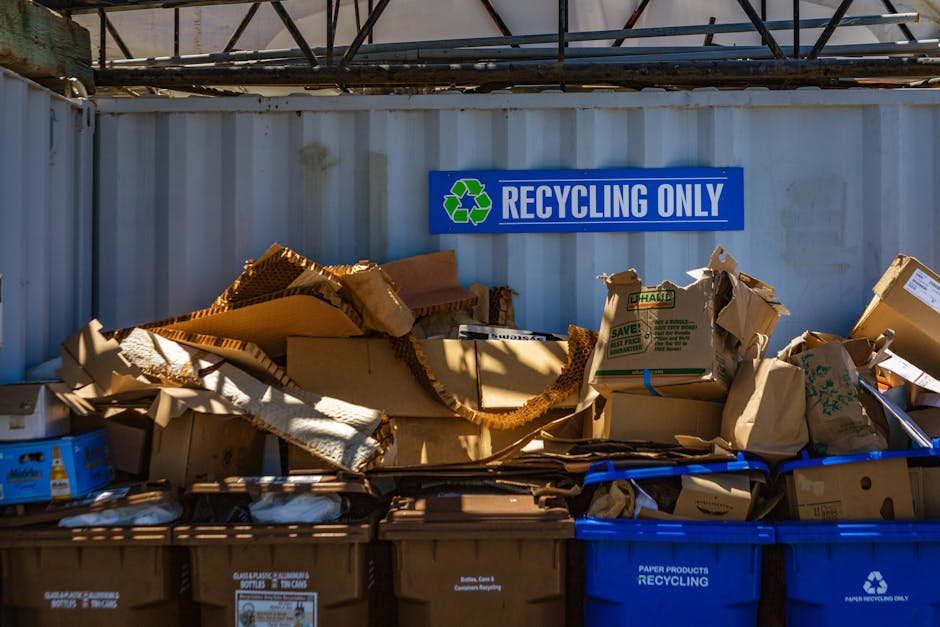
- Overfilling bins: if the lid cannot close, you are asking for trouble.
- Mixing recyclables with food waste: contamination can make the whole load less useful.
- Leaving bags beside bins too often: side waste is a frequent cause of missed or messy collections.
- Putting items out too early: it can obstruct paths and make a property look untidy for longer than necessary.
- Ignoring bulky items: one broken sofa can sit there for weeks if no one makes a plan.
- Forgetting shared responsibility: in blocks or shared homes, waste rules need agreement, not assumptions.
- Throwing away reusable items too quickly: donation or resale may reduce waste and save disposal effort.
The sneaky mistake, the one that gets people most often, is assuming "it will probably be fine." Sometimes it is. Sometimes it is not. Waste systems are a bit unforgiving that way.
Tools, Resources and Recommendations
You do not need a lot of equipment to manage rubbish well, but a few simple tools make the process smoother.
| Tool or resource | Why it helps | Best use case |
|---|---|---|
| Heavy-duty bin bags | Reduce tearing and leaks | General household waste |
| Reusable storage crates | Help separate recycling streams | Flats, shared homes, and busy kitchens |
| Sack trolley or small dolly | Makes bulky waste easier to move | Heavy bags, cardboard, or short-distance moves |
| Basic tools for dismantling | Help reduce item size | Furniture, shelving, and flat-pack debris |
| Waste schedule notes | Keeps everyone on the same page | House shares and managed properties |
| Professional collection options | Useful for large, awkward, or time-sensitive waste | Clear-outs, garden jobs, and mixed rubbish |
If your situation involves garden debris, trimmed hedges, or a weekend clean-up after the rain has left everything smelling like fresh soil, a dedicated service such as garden waste removal in Edgware can be a practical fit. For mixed waste, the nature of the load matters more than the label on the bag.
You may also want to look at the company's recycling and sustainability information if you are trying to keep disposal choices as responsible as possible. And if you are comparing services, their pricing and quotes page may help you understand how jobs are usually estimated.
Law, Compliance, Standards, or Best Practice
Waste disposal touches on local rules, property duties, and general best practice. While specific Barnet Council arrangements can change, the underlying principles stay fairly stable: do not obstruct streets, do not dump waste illegally, do not contaminate recycling unnecessarily, and do not leave hazardous materials in ordinary bins.
For households, compliance is mainly about using the waste system correctly and respecting collection days, container limits, and waste type separation. For landlords, housing managers, and businesses, there may be extra responsibility to ensure storage areas are safe, access is clear, and waste is removed regularly. In a shared building, poor waste management can quickly become a nuisance issue or a maintenance issue, and sometimes both.
It is also worth treating sharp objects, batteries, electrical items, paint, solvents, and similar materials with extra care. These are not "just rubbish." They can be unsafe in the wrong stream. If in doubt, keep them separate until you know the correct route. That is the sensible move, even if it slows you down for a day.
Best practice is simple enough: sort early, store neatly, present correctly, and keep records or communication clear if you are managing waste on behalf of others. That last part matters more than people think. A short message in the group chat can save a lot of grumbling later.
Options, Methods, or Comparison Table
There is more than one way to deal with rubbish in Edgware, and the right method depends on volume, urgency, and the type of waste.
| Method | Best for | Pros | Limitations |
|---|---|---|---|
| Regular household bin collection | Everyday rubbish and standard recycling | Simple, routine, low effort | Limited capacity; not suitable for bulky items |
| Council collection routes | Items accepted through local waste services | Structured and familiar for residents | May have timing, item, or presentation limits |
| DIY disposal at the kerbside | Small organised loads | Useful when items are already sorted | Time-consuming and physically demanding |
| Professional rubbish collection | Mixed waste, bulky items, urgent clear-outs | Fast, flexible, less manual effort | Usually more expensive than standard bin use |
| Specialist garden waste removal | Branches, cuttings, green waste | Keeps heavy organic waste separate | Not ideal for general household rubbish |
In practical terms, many households use a mix. Routine bins handle daily life. Specialist collection helps when life gets messy. Which, let's face it, happens to all of us sooner or later.
Case Study or Real-World Example
Here is a realistic Edgware example. A family in a semi-detached house has just finished a school holiday reset: broken toys, a dead bedside lamp, cardboard from deliveries, old clothes, and two bags of general rubbish from a kitchen clear-out. The wheelie bin is already nearly full. The garden also needs tidying after a wet spell, so there are a few bags of clippings and some branches that do not fit neatly into anything.
At first, the temptation is to "just squeeze it all in." But that creates three separate issues: mixed waste, overloaded bins, and the risk of leaving side waste out overnight. Instead, they split the job. Clean cardboard is flattened and kept dry. Reusable clothes are set aside. The dead lamp goes into an electrical waste pile. Garden cuttings are bundled separately. The bulky branch section is cut down. The remaining rubbish is bagged properly. What does not fit is arranged for a separate collection rather than being forced into an already full bin.
The result is simpler than the original mess. The street stays tidy, the bins are easier to move, and the family does not spend the next week apologising to neighbours. Small win, but a real one. In situations like this, services such as fast rubbish removal near Edgware Station and Hale Lane can be useful if the load needs clearing quickly and responsibly.
Practical Checklist
Use this quick checklist before bin day or before arranging a larger disposal job.
- Have I separated general rubbish, recycling, food waste, and garden waste?
- Are any items bulky, sharp, wet, or hazardous?
- Is the bin lid able to close properly?
- Have I flattened cardboard and reduced volume where possible?
- Are bags tied securely and not likely to split?
- Is the collection area clear and accessible?
- Do I know what should not go in the bin?
- Do I need a separate route for a mattress, furniture, or renovation waste?
- Have I kept food waste sealed to avoid smells?
- If this is a shared property, have I told everyone what goes out and when?
If you can tick most of those off, you are already ahead of the game.
Conclusion
Barnet Council rules for bin and rubbish disposal Edgware are not there to make life difficult. They exist to keep local streets workable, reduce mess, improve recycling, and make sure waste is handled in a way that fits the area. Once you understand the basics, the whole thing becomes much easier: sort waste properly, present it neatly, respect collection timing, and choose a different route when the rubbish is too much for a normal bin.
The trick is to stay one step ahead. That might mean flattening cardboard after a delivery, separating garden waste before it piles up, or arranging help before a bulky item turns into an obstacle in the hallway. A little planning now saves a lot of hassle later.
Get a free quote today and see how much you can save.
If you want a cleaner, calmer, less chaotic waste routine in Edgware, that is a solid place to start. One good decision, then another. It adds up.


Copyright © . House Clearance Edgware. All Rights Reserved.