Fast rubbish removal Edgware Station Hale Lane HA8
Posted on 19/06/2026
Fast rubbish removal Edgware Station Hale Lane HA8: a practical local guide for quick, tidy clearance
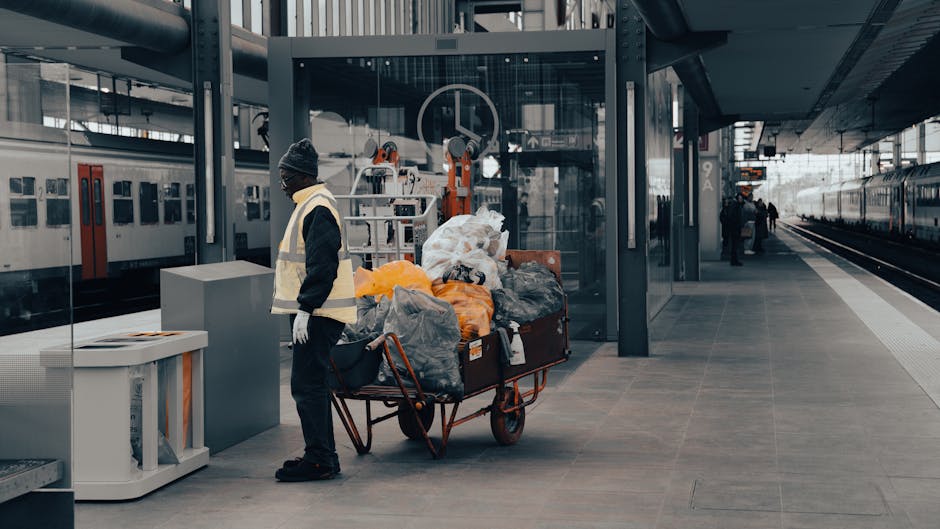
If you need fast rubbish removal Edgware Station Hale Lane HA8, you probably do not want a lecture. You want the mess gone, the path clear, and the job handled without drama. Fair enough. Whether it is old furniture near the station, builder's debris from a small refurb, or a garden pile that has somehow grown into a minor landmark, speed matters when space is tight and life keeps moving.
This guide explains how fast rubbish removal works in the Edgware Station and Hale Lane area, what to expect on the day, what makes a good service genuinely fast, and how to avoid the usual headaches. It also covers practical choices for homes, landlords, shops, and offices in HA8, so you can decide quickly and confidently. If you want the wider picture first, it can help to skim the services overview and rubbish collection in Edgware before booking anything.
Key takeaway: fast rubbish removal is not just about turning up quickly. It is about turning up prepared, loading efficiently, sorting waste properly, and leaving the place safe, tidy, and usable again.
Why Fast rubbish removal Edgware Station Hale Lane HA8 Matters
In a busy part of north-west London, rubbish has a habit of becoming a problem faster than people expect. A few bags left by the front door can block access. A broken wardrobe in a narrow hallway can make moving impossible. Builder's waste can feel harmless until it starts collecting dust, attracting complaints, or simply getting in the way of the next job.
Edgware Station and Hale Lane sit in a location where homes, flats, small businesses, and transport links all intersect. That creates a very practical need: rubbish often has to be removed quickly, neatly, and with minimal disruption. When waste is left too long, it can affect not only appearance but safety and day-to-day use of the property. And let's face it, nobody wants to drag a sofa around the entrance area for three days while "deciding what to do". We have all seen that situation go nowhere.
Fast removal also matters because local access can be awkward. Tight driveways, shared entrances, basement flats, and limited parking can all slow a job down if the team arrives unprepared. A good service should work around these real-world constraints, not pretend they do not exist.
For people living, renting, or working nearby, speed also brings peace of mind. You get your space back sooner, the property looks cared for, and you reduce the risk of complaints, accidents, or wasted time. If your schedule is already full, that matters a lot more than people admit.
There is also a reputational angle. For landlords, agents, and business owners, a quick tidy-up often changes how a place feels immediately. Sometimes it is the difference between a property looking "in progress" and looking ready. That first impression counts.
How Fast rubbish removal Edgware Station Hale Lane HA8 Works
The process is usually straightforward, though the best services keep it flexible. In practice, fast rubbish removal usually follows a few clear stages:
- Initial enquiry: you describe what needs removing, roughly how much there is, and where it is located.
- Assessment: the provider estimates labour, vehicle space, access issues, and disposal needs.
- Scheduling: a collection slot is arranged, often with same-day or next-day options where availability allows.
- Arrival and loading: the team turns up, confirms the load, and removes the items efficiently.
- Sorting and disposal: reusable, recyclable, and general waste are separated where appropriate.
- Final sweep-up: the area is left presentable, with obvious debris cleared away.
That sounds simple because, on a good day, it is. But the difference between a decent service and a frustrating one is preparation. The crew should know whether they are handling light domestic clutter, heavy builder's waste, bulky furniture, or mixed items that require more care. If they arrive with the wrong vehicle size or no plan for access, the job slows down fast.
For example, a flat near Hale Lane might need careful stair handling and a quick lift use plan, while a small office near the station may need quieter loading to avoid disrupting neighbours or customers. Different setup, different rhythm. Same goal: remove the rubbish without creating a new mess.
It is also worth understanding the difference between rubbish removal, waste removal, and house clearance. In everyday language people use them interchangeably, but in practice the best match depends on the load. A single bulky item collection is very different from clearing an entire property. For larger jobs, a broader service like waste removal in Edgware or house clearance support may fit better than a one-off collection.
Key Benefits and Practical Advantages
People usually call for fast removal because they need speed. But speed is only one benefit. A proper service can make the whole process easier, tidier, and less stressful.
- Less disruption: quick collection keeps hallways, driveways, and shared areas clear.
- Better safety: fewer trip hazards, less loose debris, and less temptation to stack items where they do not belong.
- More usable space: you can get back to moving, decorating, cleaning, or trading sooner.
- Cleaner presentation: useful for viewings, landlord inspections, end-of-tenancy jobs, or customer-facing businesses.
- Better sorting: professional teams often separate waste sensibly instead of tossing everything together.
- Less heavy lifting for you: which, truth be told, is reason enough for many people.
There is another practical advantage people often miss: decision relief. Once the rubbish is removed, the next step becomes obvious. You can see the room properly again. You can measure the space. You can decide what stays. That mental shift is surprisingly useful. The clutter stops making every decision harder.
If sustainability matters to you, it is sensible to ask how waste is handled. Many customers now prefer services that think carefully about recycling and reuse. You can read more about the company's approach through its recycling and sustainability information.
Who This Is For and When It Makes Sense
Fast rubbish removal in HA8 is useful for more people than you might think. It is not just for emergency clearances or major renovations.
Homeowners and tenants
If you are moving house, redecorating, replacing furniture, or just clearing out years of accumulated stuff, a quick collection can save a weekend of stress. A sofa that looked manageable on Tuesday can become a nuisance by Friday. Happens all the time.
Landlords and letting agents
End-of-tenancy rubbish is a common headache. Left-behind items, bagged waste, broken furniture, and old white goods can delay cleaning or reletting. Fast turnaround matters because empty days cost money and create avoidable delays.
Local businesses
Shops, offices, clinics, and hospitality venues often need discreet waste removal with minimal interruption. A back room full of boxes or old stock can slow operations and make the whole place feel cramped. If the space is commercial, it may be worth looking at office clearance options in Edgware for larger or repeated jobs.
Builders and tradespeople
Small construction or refurbishment jobs often generate more waste than expected. Plasterboard, timber offcuts, packaging, broken tiles, and old fixtures pile up quickly. The sooner that waste leaves site, the sooner work can continue without obstruction. For these cases, builders waste disposal is usually the more suitable route.
Garden owners
Outdoor waste can be bulky, messy, and awkward to bag properly. Branches, soil, hedge cuttings, old fencing, and patio debris rarely fit neatly into normal bins. If the job is seasonal or after a big tidy-up, garden waste removal may be the more practical option.
So when does it make sense to choose fast removal rather than waiting? Usually when the waste is blocking something, causing stress, or holding up another task. If the rubbish is just sitting there and getting on your nerves every time you walk past it, that counts too, honestly.
Step-by-Step Guidance
If you want the job to run smoothly, a little prep helps a lot. Here is the simplest way to approach it.
- Identify what needs removing. Walk through the property and separate rubbish into broad groups: general waste, furniture, appliances, garden material, builder's waste, or mixed items.
- Check access. Think about stairs, lifts, parking, loading points, and whether the team will need to carry items through shared spaces.
- Take a quick photo set. A few clear pictures make it easier to quote accurately and avoid surprises on arrival.
- Remove personal items first. People sometimes forget documents, keys, chargers, or sentimental bits. That is never fun.
- Choose the right service type. Small amounts may suit a simple collection, while larger jobs may need broader waste removal or clearance support.
- Ask about sorting and disposal. It is reasonable to ask how recyclable items are handled.
- Confirm timing and payment details. Good planning avoids awkward last-minute calls.
- Be ready when the team arrives. If they can start immediately, the job will usually finish faster. Simple, but true.
A practical tip: if you are clearing a room, do it in order. Start with obvious bulky items, then smaller clutter, then sweep the floor last. It sounds basic because it is basic, and basic works.
For readers comparing options, the company's pricing and quotes page can help set expectations before you book, especially if you want to understand what usually affects the final cost.
Expert Tips for Better Results
In our experience, the fastest clearances are not always the smallest. They are the ones that are prepared properly. A few small habits make a noticeable difference.
- Group items by type where possible. It speeds up loading and helps with sorting.
- Leave a clear route from the waste to the exit. Even thirty centimetres matters in a narrow hallway.
- Flag awkward items early such as very heavy wardrobes, broken glass, or contaminated waste.
- Keep children and pets out of the path while loading is happening.
- Ask about recyclable materials if you have wood, metal, cardboard, or clean furniture.
- Book with enough detail to avoid underquoting. A vague "there's a bit of stuff" is rarely helpful.
Another good habit is to take a "before" photo for your own records. Not because anyone expects it, but because it helps if you need to check that everything agreed has been removed. And it is oddly satisfying to compare the before-and-after. Very satisfying, actually.
If you are choosing a provider, reliability and safety matter just as much as speed. You can read more about general standards in the company's insurance and safety information, which is worth checking if the job involves heavy lifting, stairs, or fragile surroundings.
Common Mistakes to Avoid
Most rubbish removal problems are avoidable. They usually come from rushing the booking, underestimating the amount of waste, or not thinking through access.
- Waiting until the last minute. Same-day removal is useful, but it works best when the details are clear.
- Mixing everything together without checking whether personal belongings are still inside.
- Assuming all waste is handled the same way. Bulky domestic rubbish, garden waste, and building debris can be treated differently.
- Forgetting about parking or access restrictions. This is a classic one near busier roads and station areas.
- Choosing only on price. Cheap can become expensive if the service is slow, careless, or vague.
- Not checking what happens after collection. Responsible disposal should not be an afterthought.
A small but common issue is forgetting that some items need extra care. Broken glass, old paint, electricals, or damp waste can slow the job if not mentioned in advance. The more honest the description, the smoother the day goes.
And yes, sometimes the mess is bigger than expected. That is normal. No need for embarrassment. Clearance teams have seen worse. Much worse.
Tools, Resources and Recommendations
You do not need specialist equipment to prepare for fast rubbish removal, but a few simple tools make everything easier:
- Heavy-duty bags for smaller loose waste
- Marker labels to separate keep, donate, and remove piles
- Gloves if you are sorting dusty or sharp items
- Tape or straps for securing loose lids or awkward bundles
- A torch for lofts, cupboards, sheds, or basement corners
- Basic measuring tape if you are checking whether large furniture will fit out of the property
For information-led planning, the most useful pages are the ones that explain service scope, waste handling, and payment clarity. A quick look at the service overview, recycling and sustainability, and payment and security can answer practical questions before you commit.
If you are not sure whether the job is a small collection or a larger clear-out, it helps to start by naming the problem rather than the service. For example: "I need a one-room clearout after a move" is more useful than "I need rubbish removed". The first description leads to better advice.
Law, Compliance, Standards and Best Practice
Waste removal in the UK should always be handled responsibly. You do not need to become a compliance expert to book a collection, but it helps to know what good practice looks like.
At a basic level, waste should be transported and disposed of legally, with attention to proper sorting and environmental responsibility. If a provider cannot explain how they handle waste, that is a warning sign. You want someone who treats rubbish as waste that must be managed properly, not just dumped somewhere and forgotten. That is non-negotiable in sensible practice.
For customers, a few simple checks go a long way:
- Make sure the company can explain what types of waste they handle.
- Ask how reusable and recyclable materials are separated.
- Check that the service is transparent about terms and pricing.
- Keep any paperwork or confirmation if you need a record for a landlord, agent, or business file.
If your job involves commercial premises, shared buildings, or construction debris, there may be extra care needed around access, health and safety, and site housekeeping. Good providers should understand that. It is less about quoting regulations at you and more about working neatly, safely, and without causing avoidable issues.
If you want to understand the company side of these expectations, the pages on terms and conditions and about us can give useful background on how the business presents itself and what it expects from customers too.
Options, Methods and Comparison Table
Not every job needs the same approach. Choosing the right method depends on time, volume, access, and how much lifting you want to do yourself. Below is a simple comparison that usually helps people decide faster.
| Method | Best for | Pros | Limitations |
|---|---|---|---|
| Self-clear and bin it gradually | Very small amounts of household waste | Low immediate cost, flexible timing | Slow, tiring, and not ideal for bulky items |
| Hire a van and do it yourself | People with time, lifting help, and disposal knowledge | Useful for awkward timing, more control | Parking, loading, disposal, and labour can be a hassle |
| Booked rubbish collection | Mixed household waste or a moderate load | Quick, simple, less lifting for you | May not suit very large or specialised waste streams |
| Full waste removal / clearance service | Large rooms, whole properties, offices, or builder's waste | Efficient, structured, often best for larger jobs | Usually more involved than a basic collection |
For most people near Edgware Station and Hale Lane, the sweet spot is somewhere between a simple collection and a larger clearance. The right answer depends on how much time you have and how much of the job you want to avoid. Which, to be honest, is often the real deciding factor.
If you are dealing with a full room, an office reset, or a bigger house clean-up, the relevant service pages for rubbish collection and waste removal are the best places to compare the practical options.
Case Study or Real-World Example
Imagine a typical HA8 scenario: a small flat not far from Edgware Station has just finished a refresh. There is an old wardrobe in the bedroom, a broken desk, several bags of clutter, a few cardboard boxes from new furniture, and some general household waste in the kitchen. Nothing dramatic. But enough to make the flat feel smaller than it really is.
The resident wants it gone quickly because a cleaner is coming the next morning and the flat needs to be ready for new photos shortly after. The challenge is not just volume. It is access. The stairwell is narrow, there is limited parking, and the furniture is awkward to twist around the landing.
A well-organised removal team would usually handle this by confirming the item list ahead of time, arriving with the right vehicle and carrying equipment, loading the bulky items first, and then clearing the smaller bags before sweeping through the route once more. A job like that can be completed quickly when the plan is sensible. If the team arrives unprepared, though, the same clearance can drag on and feel much bigger than it is.
The real lesson? Speed comes from preparation as much as manpower. Fast rubbish removal is not magic. It is logistics, attention, and a bit of local know-how.
For a larger property or a more mixed load, the same logic applies, just on a bigger scale. The right service should make the space feel lighter at the end of the visit, not merely emptier.
Practical Checklist
Use this quick checklist before booking:
- Identify exactly what needs removing.
- Separate items you want to keep.
- Check whether anything is fragile, heavy, or awkward.
- Take photos of the waste area and access route.
- Confirm parking or loading access if relevant.
- Ask what types of waste the service can handle.
- Check how pricing is explained.
- Ask about recycling and disposal handling.
- Prepare the route so the team can work quickly.
- Keep pets, children, and valuables out of the way.
Quick self-check: if you can describe the job in one clear sentence, you are probably ready to book. If you need three paragraphs, maybe take another look first.
Get a free quote today and see how much you can save.
Conclusion
Fast rubbish removal in Edgware Station and Hale Lane is really about getting your space back without making the day more complicated than it needs to be. The best results come from clear information, sensible planning, and a service that understands local access, timing, and disposal needs.
If you are dealing with a small domestic clear-out, a bulky item collection, a shop tidy-up, or a larger waste job, the key is to match the service to the problem, not the other way around. A little preparation goes a long way. So does choosing a provider that values safety, clarity, and proper disposal alongside speed.
And once the clutter is gone, you feel it immediately. The room breathes again. The walkway opens up. The stress drops. Simple as that, really.
If you are ready to clear the mess and move on with the rest of your day, a quick, well-planned collection can make a bigger difference than you might expect.


Copyright © . House Clearance Edgware. All Rights Reserved.